/

Venice Sustainable Fashion Forum: Putting People at the Heart of Fashion’s Future


Talent, skills and responsible governance take centre stage at the Venice Sustainable Fashion Forum, highlighting the people behind the industry’s transformation.


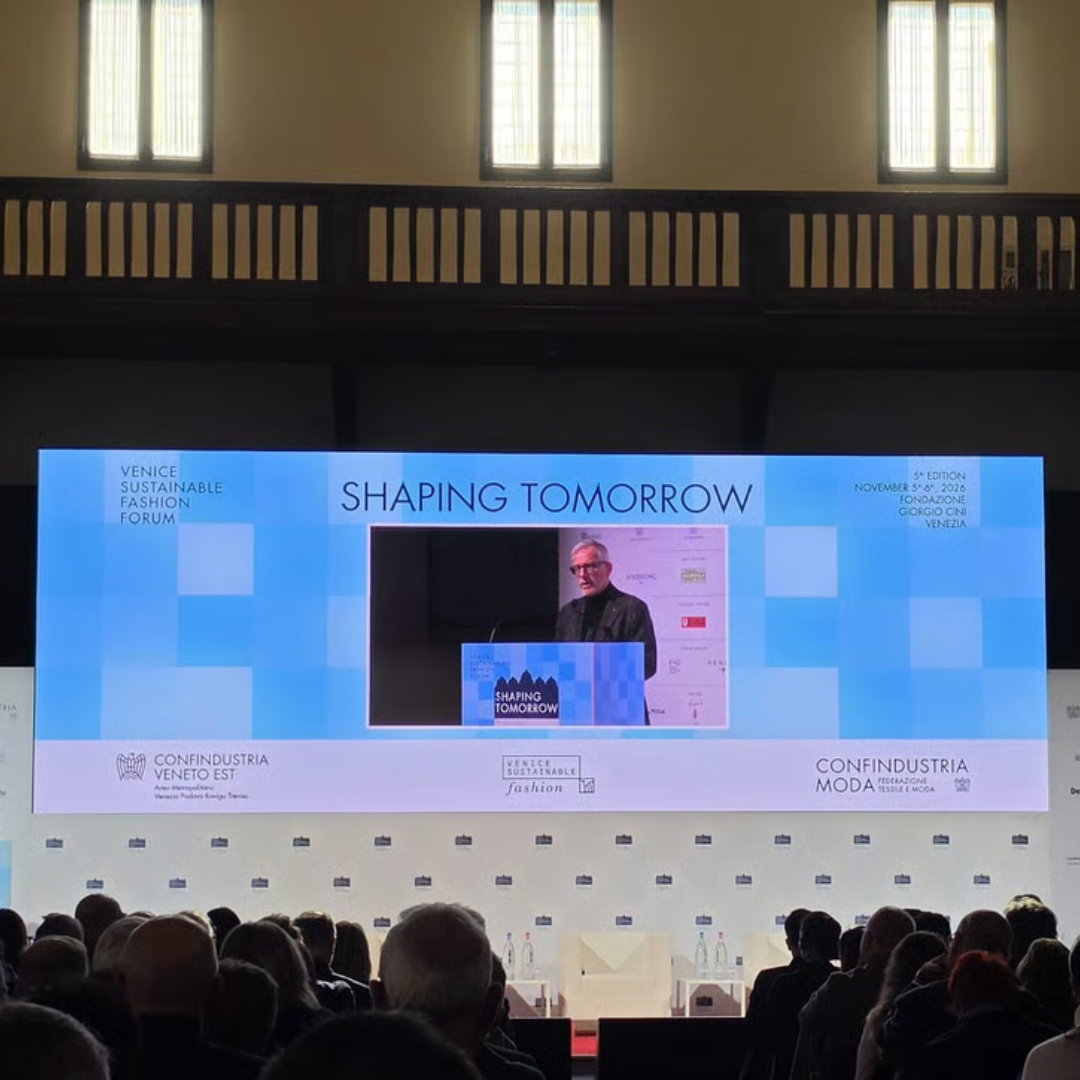
Fashion’s transformation is often described through new technologies, more transparent supply chains and lower-impact production. But behind every step forward lies an essential factor: people. At the fifth Venice Sustainable Fashion Forum, the panel “The Human Advantage: Talent, Skills and Governance” placed human capital at the centre of the discussion. Its message was clear: the industry’s ecological and technological transition must go hand in hand with investment in skills, responsible governance and stronger connections between businesses, education and local communities. With Deda Stealth participating in this year’s Forum, these themes offer a perspective on fashion’s next chapter, one in which digital innovation and human expertise develop together.


Investing in Skills Means Investing in Resilience

Bringing Craftsmanship into the Digital Age

People-centred transformation also depends on how businesses organise their operations and relationships. Fashion companies must respond to changing demand and production peaks, but flexibility needs to be supported by clear responsibilities and appropriate employment arrangements. The panel explored how regulated staffing models can support operational continuity while maintaining a focus on workers and their development. The conversation also connected more direct oversight of production with greater responsibility for the people and processes behind each product. Transparency, in this context, is not only about tracing a garment’s journey. It is also about understanding how work is managed, where responsibilities sit, and how decisions affect the wider supply chain. For Deda Stealth, participation in the Venice Sustainable Fashion Forum provides an opportunity to engage with a central question: how can fashion’s digital transformation move forward alongside the development of its people? The themes explored during the panel point towards a connected approach, one that brings innovation, skills and responsible governance into the same conversation. Fashion’s future will depend not simply on adopting new tools, but on enabling people to use them with confidence, expertise and purpose. That is where craftsmanship and transformation meet, and where the industry’s next chapter begins.


The value of fashion goes beyond the finished product. It lies in the knowledge, precision and experience of the people who bring it to life. The discussion highlighted how direct investment in production facilities and internal training can help preserve this expertise while strengthening the supply chain. Company academies, practical learning programmes and closer collaboration with technical institutes offer a way to develop new talent without losing the specialist capabilities that distinguish Italian manufacturing. One example shared during the panel showed how an internal academy helped a production facility expand its workforce from 30 to 45 people. More than a recruitment initiative, this approach connects business growth with the transfer of knowledge between generations. The broader lesson is that workforce development should not be treated as a short-term response to staffing needs. It is a strategic investment in continuity, quality, and the ability to adapt. Building the next generation of fashion professionals requires a closer relationship between what people learn and what businesses need. Throughout the discussion, the gap between educational preparation and industrial requirements emerged as a shared challenge. Addressing it means creating more opportunities for students and young professionals to experience manufacturing directly, and to understand the careers it can offer. Partnerships with technical institutes, company visits, career days, and workplace training can help make those opportunities visible. They also give businesses a more active role in developing the capabilities their future depends on. Continuous learning matters just as much for existing teams. As processes and technologies evolve, people need opportunities to update their skills and take on new responsibilities.


Willing to know more?

Contact us, we are at your disposal